
Maintaining ISO Compliance in Retrofit Cleanrooms: Tips and Technologies
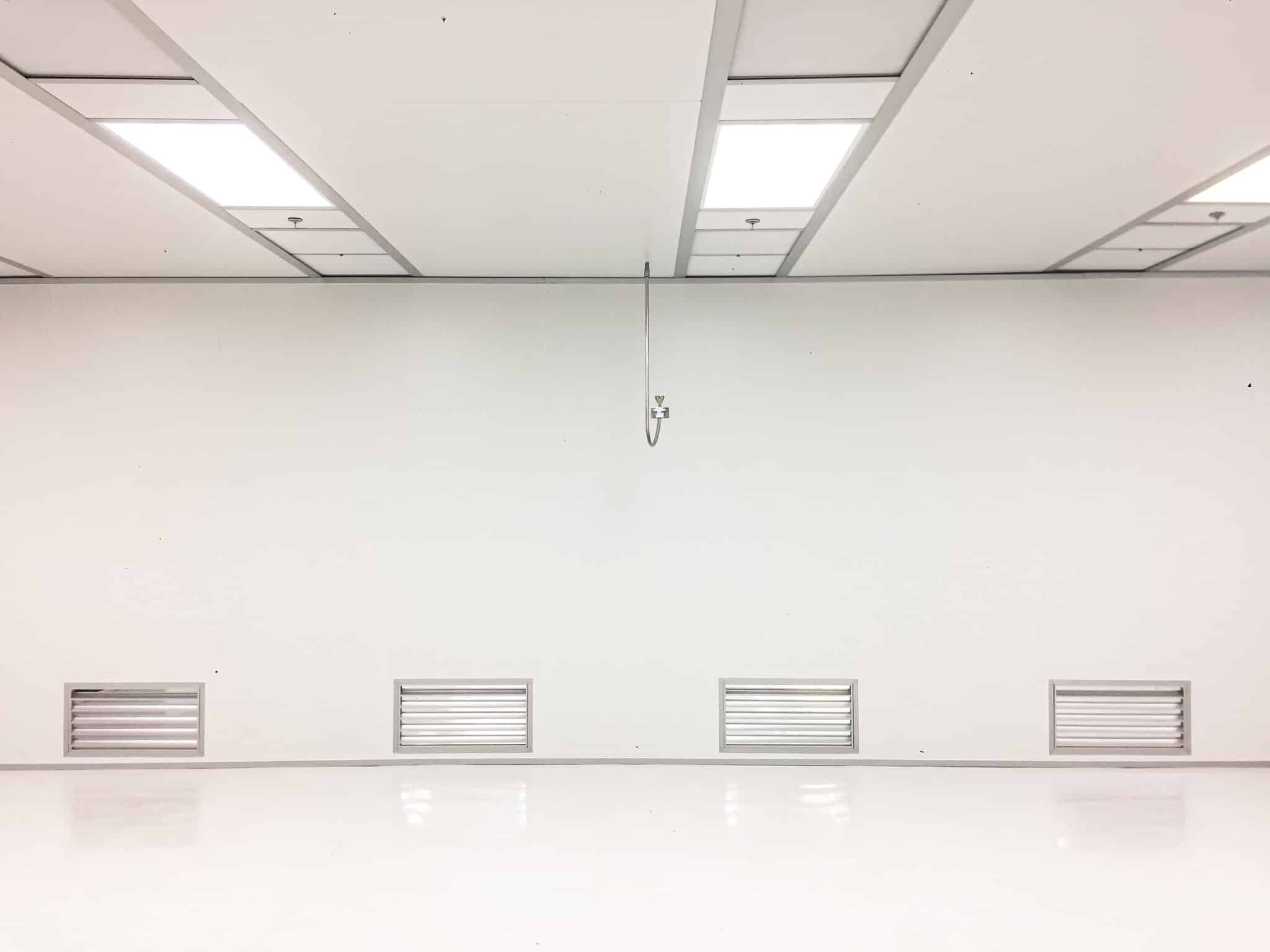
Retrofitting a cleanroom is a quick way to add controlled space, but this speed comes with a tradeoff. Repurposing an existing aged cleanroom in a dated facility means you may be dealing with legacy systems, uneven airflow, and structural limits that make ISO compliance harder to maintain.
Passing a particle count test or effectively controlling temperature and humidity on day one doesn’t guarantee an ISO-compliant retrofit cleanroom. The real test is keeping those numbers in range as operations ramp up and equipment changes. That challenge only gets harder as conditions around the cleanroom shift over time.
Challenges of Retrofit Cleanrooms
Below are some of the most common ISO compliance challenges in retrofit cleanrooms, along with the technologies used to manage them.
Why ISO Compliance Is Trickier in Retrofit Cleanrooms
New cleanrooms are designed around airflow, pressure, and filtration from the start. In contrast, retrofit cleanrooms inherit existing conditions, whatever those may be.
Common issues with these cleanrooms include:
• Inconsistent ceiling heights that disrupt laminar airflow
• Existing HVAC systems that were never designed for today’s cleanroom pressure control
• Structural penetrations that introduce leakage paths
• Temperature and humidity swings driven by the surrounding facility
While these factors don’t always prevent certification, they do increase the risk of drift. This is where a room passes initial testing but later fails requalification.
Start With ISO Targets, Not Just Room Layout
A common retrofit mistake is designing the enclosure first and validating later. Instead, ISO class requirements should drive every decision. Air change rates, filter coverage, pressure differentials, and recovery time all scale differently between ISO 8, ISO 7, and ISO 5 environments.
Early questions you should resolve include:
• What ISO class must be maintained during operation, not just at rest?
• Do processes generate particles or heat loads that fluctuate?
• How often will reclassification testing be required?
If you can design backward from ISO performance targets, you’ll reduce costly revisions after installation.
Filtration and Airflow: Where Retrofits Most Often Fail
HEPA and ULPA filters can meet ISO requirements on paper, yet still underperform in retrofits. This usually happens when airflow patterns break down inside existing structures rather than inside the cleanroom design itself.
Here’s why:
• Ceiling obstructions reduce effective filter coverage
• Return air paths are constrained by existing walls or columns
• Turbulence forms at enclosure edges or equipment clusters
Solutions that help include:
• High-coverage ceiling grid systems to smooth airflow
• Fan filter units with adjustable output to correct imbalances
• Computational airflow modeling during design, not after
In retrofit environments, the goal isn’t maximum airflow but predictable airflow.
Pressure Control in Mixed-Use Facilities
Retrofit cleanrooms are often installed in active warehouses, labs, or on production floors. These areas make it harder to stabilize pressure differentials. Something as simple as an open door, a nearby exhaust fan, or a seasonal HVAC shift can collapse pressure cascades.
A better approach is to design pressure control around day-to-day disruption, not ideal operating conditions. The following best practices reflect this reality:
• Dedicated air handling rather than shared building systems
• Continuous pressure monitoring with alarms
• Airlocks and gowning rooms sized for real traffic patterns
When these safeguards aren’t in place, pressure instability becomes one of the most common reasons retrofit cleanrooms fail ISO requalification over time.
Monitoring Technologies That Protect Compliance
Modern retrofit cleanrooms rely more on monitoring than older builds ever did. In constrained buildings, visibility matters as much as airflow design.
That’s why most retrofit strategies lean on a small set of monitoring tools:
Key technologies include:
• Real-time particle counters tied to alerts
• Differential pressure sensors with trend logging
• Temperature and humidity monitoring integrated into building controls
These tools don’t replace certification testing. They reduce surprises between tests and surface issues before they turn into compliance failures. For facilities running critical processes, continuous monitoring often pays for itself by preventing downtime and failed audits.
Validation, Documentation, and Requalification
ISO compliance isn’t just about how a cleanroom performs. It also depends on how well that performance is documented and maintained over time.
For retrofit cleanrooms, that starts with a clear validation plan that covers:
• Installation qualification
• Operational qualification
• Performance qualification
Requalification planning matters just as much. Teams need to be clear about when it happens and what triggers it, because even routine changes to equipment and airflow can make earlier results obsolete. Putting documentation workflows in place early avoids scrambling later, when gaps are harder to close, and fixes take more time and money.
Designing Retrofit Cleanrooms for Change
The most compliant cleanrooms aren’t the most permanent. Rather, they’re the ones built with change in mind from the start.
Retrofit environments benefit from a few flexible design choices:
- Modular wall systems that reseal cleanly after modification
- Scalable filtration that can support future ISO upgrades
- Ceiling systems that allow filter additions without major reconstruction
When change is expected rather than avoided, maintaining ISO compliance gets much easier over time.
The Bottom Line on Retrofit Cleanrooms
An ISO-compliant retrofit cleanroom succeeds when performance is built into the space, not patched in later.
By focusing on airflow predictability, pressure stability, continuous monitoring, and future flexibility, retrofit cleanrooms can meet the same ISO standards as new construction without sacrificing speed or budget.
If you’re planning an ISO-compliant cleanroom retrofit and want to reduce long-term compliance risk, working with specialists who understand both cleanroom standards and retrofit constraints makes the difference.
Leave a Reply