
When to Replace a Cleanroom: Signs It’s Time for an Upgrade
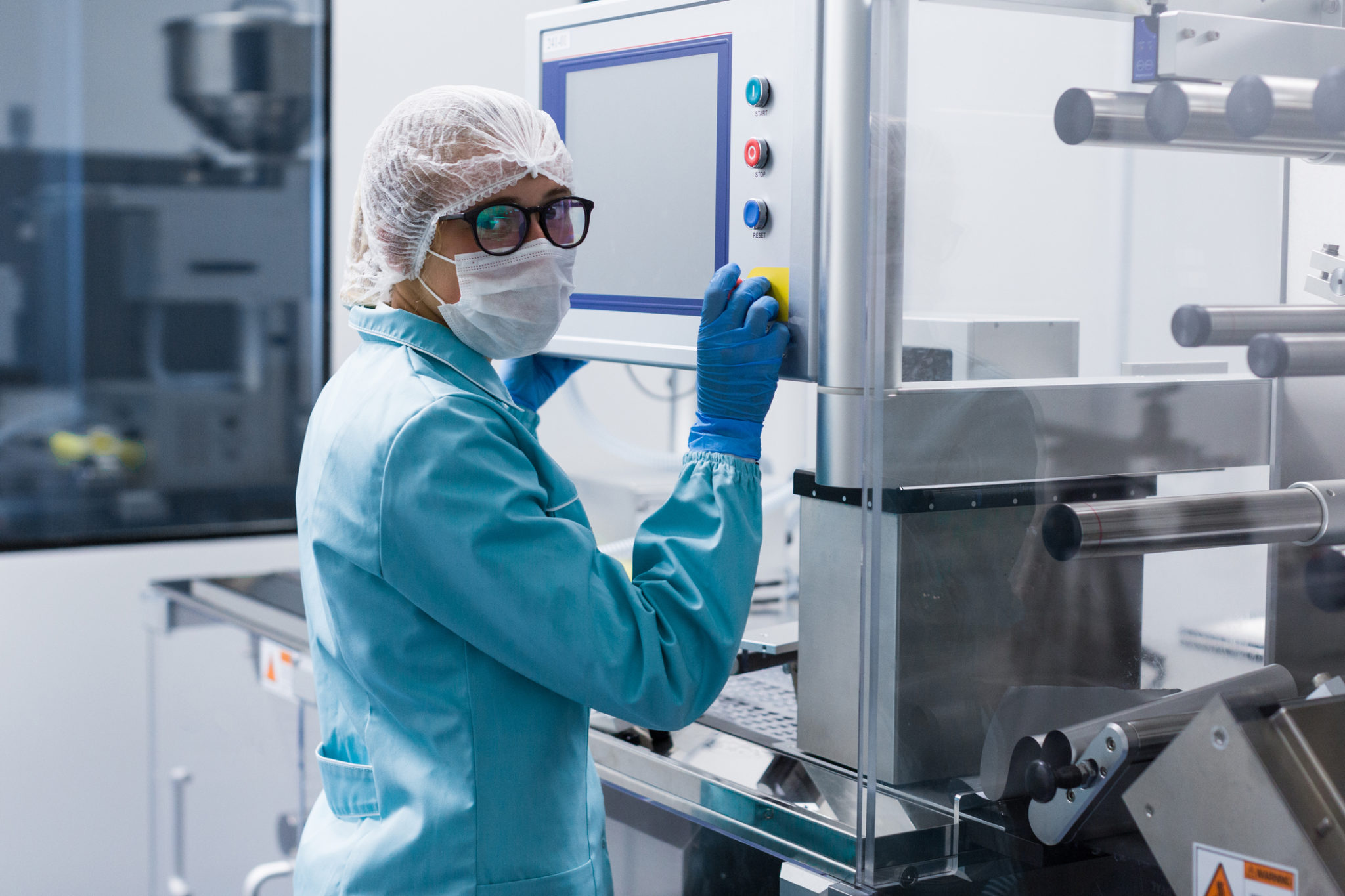
A cleanroom is an investment in your organization’s productivity, efficiency, and compliance. Naturally, you want to get the most value and lifespan out of that investment. However, there are circumstances where replacing or upgrading your cleanroom is the best solution to meet your evolving operational or regulatory needs. So how do you know when it’s time to replace a cleanroom?
Cleanroom Functionality: Has Your Operation Outgrown It?
Cleanrooms are built to meet specific cleanliness and process requirements. Whether you’re manufacturing, researching, or protecting personnel and product, the cleanroom must match the current scope and demands of your operations.
If you’ve expanded production, hired more staff, or introduced new workflows, your existing cleanroom may no longer support your needs. A lack of space can lead to:
- Equipment bottlenecks
- Inefficient workflows
- Unsafe working conditions
When space limitations affect productivity, it’s a strong sign that it’s time to replace or expand your cleanroom.
Cleanroom Integrity and Cleanliness Requirements
Even if your cleanroom performed well in the past, changes in standards or processes may render it insufficient. For example, if your industry now requires compliance with a stricter ISO classification or you’ve adopted more sensitive production protocols, your current setup might not meet those new requirements.
You may notice:
- Trouble maintaining ISO classification
- Frequent particle count failures
- Aging components or air filtration systems
If your cleanroom is struggling to meet cleanliness specifications, it may be more cost-effective and reliable to replace it than to continue patching older infrastructure.
Is Replacement Always Necessary?
Not always—especially if you’re using a modular cleanroom system. One of the major advantages of softwall and rigidwall modular cleanrooms is that they can be modified, expanded, or partially replaced with minimal disruption. This adaptability allows you to respond to growth or new requirements without starting from scratch.
However, if your current cleanroom cannot be reconfigured, or doing so would compromise performance or cost more than replacing, it’s time to consider a new cleanroom design.
When to Replace a Cleanroom: Key Takeaways
If your cleanroom no longer meets your technical, spatial, or cleanliness requirements, a replacement or significant upgrade is likely in order. The signs include:
- Crowded or inefficient workspaces
- Inability to maintain required ISO classification
- Outdated equipment or design limitations
- New regulatory or operational requirements
Modular cleanrooms offer a flexible path forward. Whether you’re looking to expand, reconfigure, or upgrade, Technical Air Products can help you build a cleanroom solution that grows with your organization.
Leave a Reply