
Modular Cleanrooms for Medical Device Manufacturers
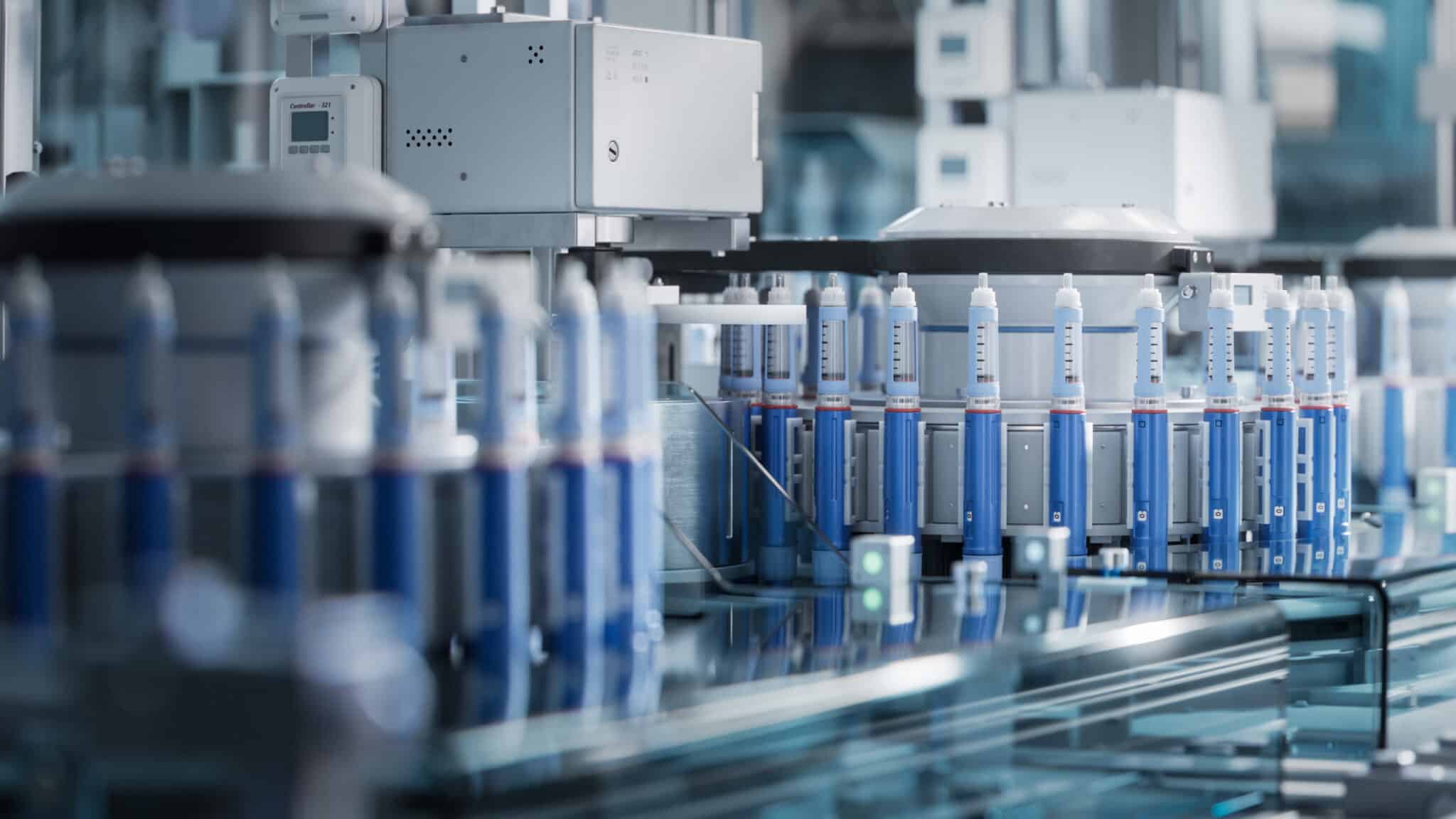
Medical device manufacturing demands precision, consistency, and strict contamination control. Whether producing implants, surgical tools, diagnostics, or electronic components, maintaining a controlled environment is essential for both product performance and regulatory compliance.
Modular cleanrooms offer a practical, scalable solution for manufacturers who need reliable cleanroom environments without the time, cost, and rigidity of traditional construction.
Why Cleanrooms Matter in Medical Device Manufacturing
Medical devices often come into direct contact with the human body or are used in sterile environments. Even the slightest contamination can lead to major impacts on patient safety, as well as product failure, recalls, or regulatory issues. Cleanrooms help manufacturers:
- Control particulate contamination
- Maintain consistent environmental conditions
- Meet ISO 14644 cleanliness standards
- Support compliance with FDA and GMP requirements
Depending on the application, manufacturers may require ISO Class 8, 7, or even ISO Class 5 environments.
What Is a Modular Cleanroom?
A modular cleanroom is a prefabricated system made up of standardized components such as wall panels, ceiling grids, fan filter units (FFUs), and lighting. These systems are assembled on-site to create a controlled environment tailored to specific operational needs.
As opposed to traditional cleanrooms and permanent construction, modular systems are faster to install, easier to expand or modify, and more cost effective. They can be configured as softwall or rigidwall systems depending on the level of control required.
Key Benefits for Medical Device Manufacturers
Faster Deployment
Time to market is critical in the medical device industry. Modular cleanrooms can install significantly faster than conventional construction, allowing manufacturers to begin production sooner. This is especially valuable for:
- Research and development
- New product launches
- Facility expansions
- Rapid scaling of production
Flexibility and Scalability
Medical device production often evolves over time, and modular cleanrooms can be reconfigured, expanded, or relocated as needs change. This flexibility allows manufacturers to adjust layouts for new processes, add capacity without major renovations, and adapt more easily to changing regulatory requirements.
Cost Efficiency
Traditional cleanroom construction can be expensive and disruptive, but modular systems help reduce both upfront and long-term costs. By minimizing construction time, reducing labor requirements, and allowing for phased expansion, modular cleanrooms provide a more efficient approach. Additionally, many components are reusable, helping to protect long-term investment.
Controlled Environments for Sensitive Processes
Modular cleanrooms support a wide range of medical device manufacturing processes, including:
- Assembly of sterile and non-sterile devices
- Packaging and sealing operations
- Electronics manufacturing for diagnostic equipment
- Testing and quality control
With proper design, they can maintain:
- Precise airflow and filtration
- Stable temperature and humidity
- Positive or negative pressure environments
Regulatory Compliance Support
Compliance is a major concern for medical device manufacturers. Modular cleanrooms can be designed to support ISO 14644 cleanliness classifications, FDA guidelines, and Good Manufacturing Practices (GMP). Features such as smooth, cleanable surfaces and controlled airflow help maintain consistent compliance during audits and inspections.
Softwall vs. Rigidwall Cleanrooms
Choosing the right type of modular cleanroom depends on the application.
Softwall Cleanrooms
- More affordable
- Faster to install
- Ideal for ISO 8 or less stringent environments
Rigidwall Cleanrooms
- Greater structural integrity
- Better environmental control
- Suitable for ISO 8 or cleaner applications
Medical device manufacturers often use a combination of both, depending on process requirements.
Design Considerations
To maximize performance, modular cleanrooms should be designed with the entire workflow in mind. Key considerations include:
- Airflow design and FFU placement
- Gowning areas and personnel flow
- Material transfer systems (pass-throughs)
- Pressure differentials between zones
- Integration with existing facilities
A well-designed cleanroom not only meets cleanliness standards but also improves operational efficiency.
Supporting Long-Term Growth
As demand for medical devices continues to grow, manufacturers need solutions that can scale with them. Modular cleanrooms provide a future-proof approach by allowing facilities to evolve without starting from scratch.
Whether expanding production lines, introducing new technologies, or responding to regulatory updates, modular systems offer the adaptability needed to stay competitive.
Conclusion
For medical device manufacturers, maintaining a controlled environment is non-negotiable. Modular cleanrooms provide a flexible, cost-effective, and efficient way to achieve the required level of cleanliness while supporting growth and innovation. By combining smart design with scalable construction, modular cleanrooms help manufacturers meet today’s demands while preparing for tomorrow’s challenges.
Leave a Reply