
Optimizing Workflow Efficiency in Modular Cleanrooms
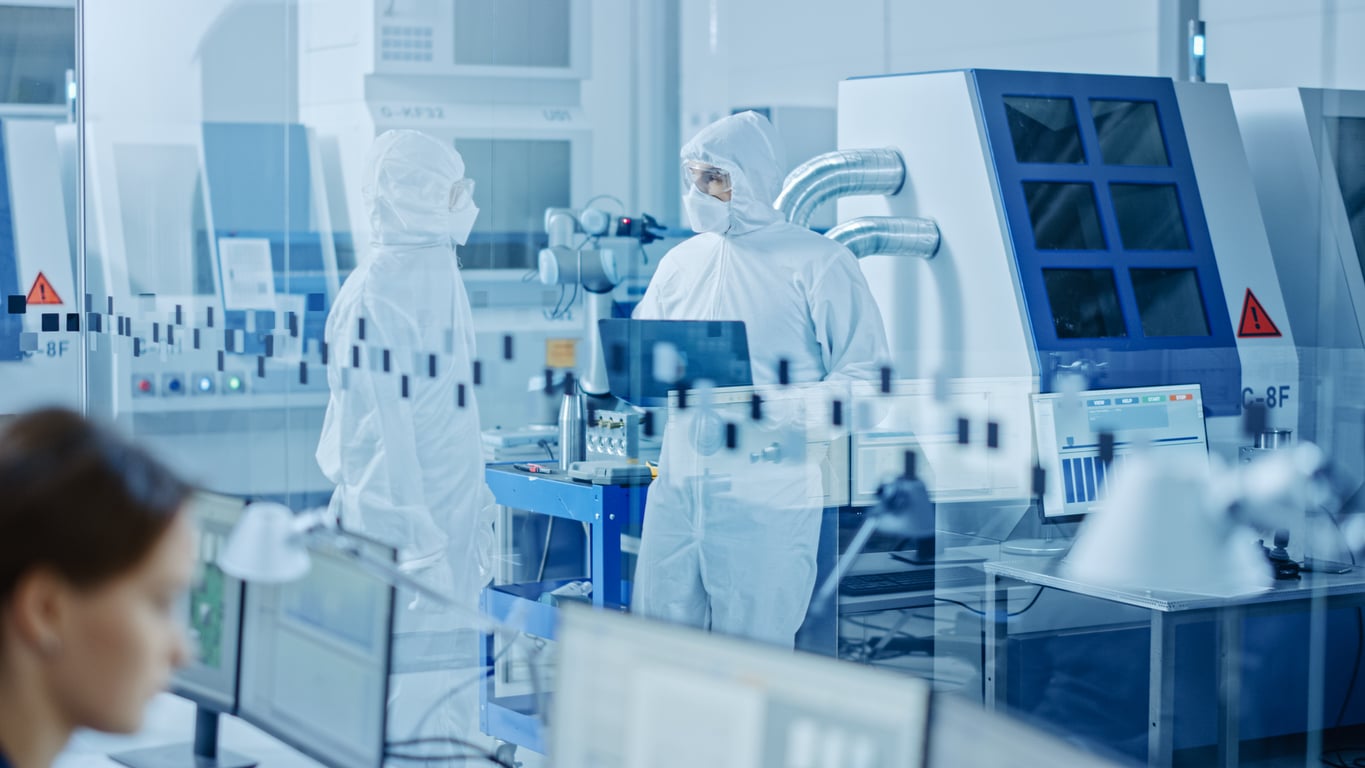
Modular cleanrooms depend on efficient workflows to maintain cleanliness, prevent contamination, and boost productivity. Poor planning can lead to bottlenecks, congestion, and airflow issues, which compromise both efficiency and compliance. Optimizing movement, airflow, and workstation design improves productivity and product integrity in softwall and rigidwall environments.
To optimize workflow efficiency in modular cleanrooms, a strategic approach is essential. Layout, personnel flow, environmental controls, and automation all play a role in maintaining compliance and minimizing downtime. Below are six key factors that drive efficient, high-performance cleanroom operations.
6 Key Factors in Modular Cleanroom Workflow Optimization
1. Strategic Layout and Space Utilization
A well-designed cleanroom layout ensures seamless movement of personnel, materials, and equipment. Thoughtful space planning, including placement of furniture and equipment, helps prevent bottlenecks and minimizes unnecessary movement, reducing contamination risks. A unidirectional workflow—where materials move in one direction without backtracking—is essential for maintaining cleanliness and efficiency.
Examples: A pharmaceutical packaging facility’s softwall cleanroom uses a linear workflow to prevent backtracking and contamination. A semiconductor rigidwall cleanroom separates prep, assembly, and testing to limit foot traffic in critical areas. These layouts optimize workflow efficiency in modular cleanrooms by enhancing organization and reducing disruptions.
2. Streamlining Material and Personnel Flow
Every cleanroom must balance accessibility with contamination control. Strategic placement of airlocks, gowning areas, and pass-through chambers reduces unnecessary movement and minimizes exposure risks. A well-designed workflow directs personnel and materials efficiently, preventing congestion and lowering the risk of cross-contamination.
Examples: A biotech lab’s softwall cleanroom uses a pass-through chamber to transfer materials without human contact, reducing movement and contamination. A medical device manufacturer’s rigidwall cleanroom separates personnel and material airlocks to prevent congestion and meet ISO 7 standards. These measures optimize workflow efficiency in modular cleanrooms by streamlining movement and minimizing contamination risks.
3. Optimizing Airflow for Contamination Control
Controlling airborne contamination is fundamental to cleanroom efficiency. Properly placed fan filter units (FFUs) ensure that clean air moves through the environment in a way that protects critical processes. Without proper airflow management, particles can accumulate, putting products and sensitive operations at risk.
Examples: A cosmetics manufacturer’s softwall ISO 8 cleanroom directs HEPA-filtered air to filling stations, protecting sensitive areas before packaging. This targeted approach enhances product safety and regulatory compliance. A rigidwall pharmaceutical lab uses laminar airflow to keep sterile zones free of particulates, preventing contamination in sensitive formulations. Optimizing airflow ensures smooth operations and strict cleanliness standards.
4. Enhancing Ergonomics and Workstation Design
Fatigue and inefficiency can slow cleanroom operations, making ergonomics a key consideration. Adjustable furniture, strategic equipment placement, and workflow automation can reduce strain and improve precision. A well-structured cleanroom layout enhances employee comfort while maintaining process integrity, leading to long-term efficiency gains.
Examples: An electronics assembly cleanroom uses adjustable workbenches and anti-fatigue flooring to improve worker focus. A gene therapy facility automates vial transport with conveyors, reducing manual handling and contamination risks. These upgrades optimize workflow efficiency in modular cleanrooms while enhancing safety and productivity.
5. Strengthening Contamination Control with Gowning and Training
Strict adherence to cleanroom protocols is essential for preventing contamination and maintaining operational efficiency. Personnel should be thoroughly trained in gowning procedures, material handling, and cleanroom behavior to reduce the risk of introducing particulates. Training programs and compliance tracking ensure that employees follow best practices at all times.
Examples: A university lab’s softwall cleanroom uses step-by-step gowning instructions to maintain cleanliness among rotating personnel. A biopharmaceutical facility’s rigidwall cleanroom tracks compliance with RFID gowning stations, ensuring hygiene protocols are followed. Effective training fosters a culture of compliance and contamination control.
6. Increasing Efficiency With Smart Monitoring and Automation
Automation and real-time monitoring streamline cleanroom operations by reducing manual intervention and enhancing environmental control. Wireless sensors and AI-driven systems allow for continuous oversight, reducing human error and optimizing conditions for sensitive processes. As cleanroom technology advances, automated monitoring solutions are becoming essential for maintaining consistent standards.
Examples: A medical packaging company’s softwall cleanroom uses wireless sensors to maintain conditions, reducing manual checks. In a rigidwall semiconductor cleanroom, AI-powered particle counters detect contamination and trigger alerts. Smart monitoring optimizes workflow efficiency in modular cleanrooms while ensuring compliance and minimizing risks.
Optimizing Modular Cleanroom Workflows for Maximum Performance
An efficient modular cleanroom—softwall or rigidwall—depends on smart layout, airflow control, streamlined movement, ergonomics, and automation for productivity and compliance. Addressing workflow challenges minimizes contamination, cuts costs, and boosts efficiency.
Organizations that optimize workflow efficiency in modular cleanrooms benefit from reduced downtime, fewer contamination incidents, and improved product quality. With a well-planned approach to cleanroom operations, businesses can maximize their investment in modular cleanroom technology and maintain a high standard of performance.
Leave a Reply