
Cleanroom Maintenance – How to Keep Your Cleanroom in Top Working Condition
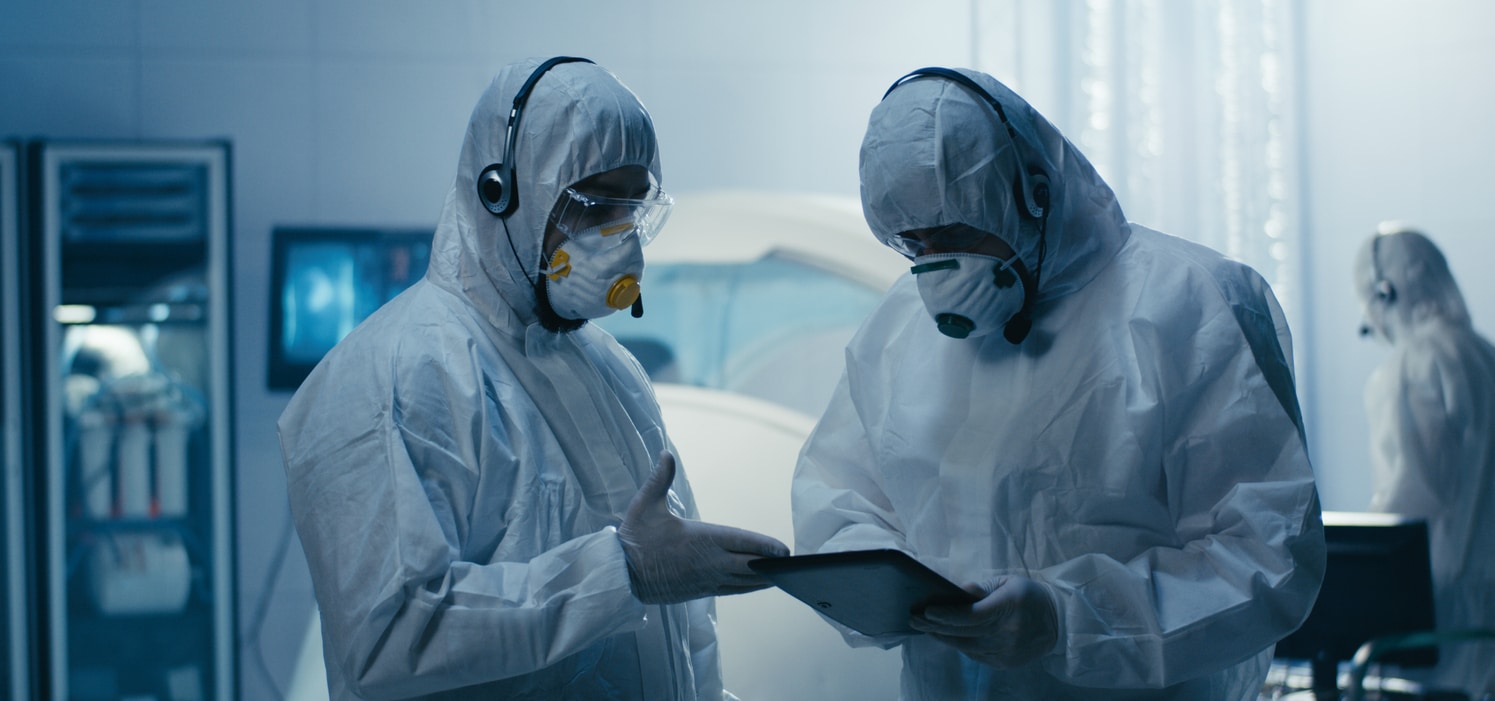
Cleanroom maintenance is more than just a cleaning regimen. It requires implementing meticulous protocols, adhering to strict procedures, and monitoring continuously to ensure that the environment remains free from particulate and microbial contamination. It’s easy to overlook how important regular cleanroom maintenance and upkeep is to ensure productivity. It’s not just critical to manufacturing products or conducting research, it’s also required to maintain your cleanroom’s International Organization for Standardization (ISO) rating.
From the Beginning: Before Anyone Enters the Cleanroom
The effectiveness of your cleanroom maintenance begins with its design and construction. Start with a well-designed cleanroom layout that minimizes contamination risks, such as proper airflow, equipment placement, and personnel flow.
Carefully limit access to the cleanroom to authorized personnel only, and implement airlocks, anterooms, and proper access controls to minimize contamination. All cleanroom surfaces, including walls, floors, and ceilings should have finishes that are easy to clean and are designed to repel contaminants.
All personnel should be thoroughly trained on cleanroom protocols, procedures, and contamination control before they begin work. Because workers are the source of a large percentage of contamination, they need to understand the importance of their actions in maintaining the cleanliness of the room.
Day-to-Day Cleanroom Maintenance
All personnel should always wear the correct garments and PPE while in the room. They must also perform the proper personal hygiene rituals such as hand washing and sanitation before entering. Within the room, following correct procedures and moving with slow, deliberate movements helps minimize dust and other contaminants.
Many materials can never be allowed in the cleanroom space. These include food, beverages, gum, candy, and mints. Workers should not wear watches or jewelry because outside contaminants can be introduced into the space via those items. Makeup and perfume or cologne are prohibited as well.
Within the cleanroom, tools and materials should be stored in designated areas and containers to prevent cross-contamination. We recommend using pass-thrus to avoid introducing contamination when bringing items in or out of the room.
Cleaning, Disinfection, and Upkeep
First, develop a comprehensive cleaning schedule for all cleanroom surfaces, equipment, and fixtures, and use only approved cleaning agents and methods. Prepare for emergencies by establishing procedures for cleaning spills and addressing accidents. Staff should be well trained in what to do in an emergency.
The proper way to clean and disinfect the room is to work from the top of the cleanroom down. Technicians should wipe down all surfaces and corners using special cleanroom wipes or sponges. They should use slow, consistent motions, wiping either downward or away from themselves. Back-and-forth wiping motions can add more particles to a surface, instead of removing them.
Technicians should wipe down walls and windows parallel to the airflow of the cleanroom. Floors can be cleaned using a purified water and isopropyl alcohol mixture. Never wax or buff cleanroom floors, as these motions only lead to more contamination.
Other Cleanroom Maintenance Considerations
Cleanroom maintenance also includes properly maintaining the equipment within the room, including FFUs. Regularly inspect and maintain cleanroom equipment to ensure that it is functioning properly, and develop procedures for cleaning and sterilizing any other equipment before and after use.
Inspecting HEPA and ULPA filters on a regular basis will ensure that your fan filter units are operating efficiently. Replace filters before they are full, and control the temperature and humidity of the room to minimize the growth of bacteria and other contaminants. Remember that all cleaning tools, including ladders, must be approved for use in your cleanroom.
Finally, regularly audit your cleanroom’s performance using monitoring systems and scheduled staff assessments to determine how well it is functioning.
By following proper cleanroom maintenance guidelines and adapting them to your specific requirements, you can establish and maintain a controlled environment that meets the highest standards of cleanliness and contamination control, as well as maintain your cleanroom’s required ISO rating.
Based in West Michigan, Technical Air Products provides modular cleanrooms for customers across the United States and abroad. To learn how we can help with all your cleanroom needs, contact us or request a quote today.
Leave a Reply