
Cleaning Your Cleanroom
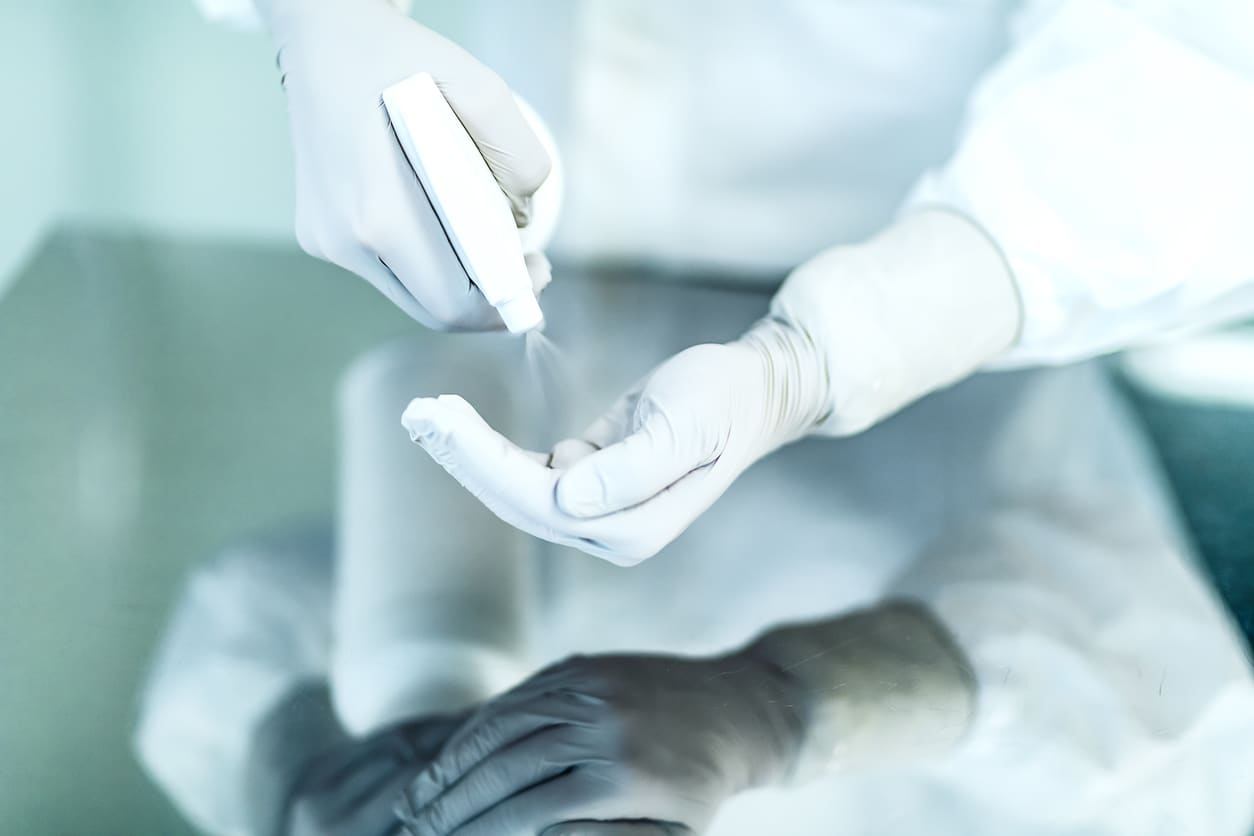
A properly designed cleanroom operates to maintain cleanliness within the space to specification. Unfortunately, your cleanroom will not remain in the pristine condition it is when you first install and validate it. Every time people or products enter the cleanroom space there is an opportunity to introduce contamination. Both staff training and regular cleaning and maintenance are necessary to keep your cleanroom clean. In this blog we will discuss how to clean your cleanroom.
Staff Training
It’s critical to train your staff on the do’s and don’ts of cleanroom behavior as well as any necessary measures they must take. This would include:
Washing and drying hands completely
Following proper gowning procedure
Following environmental sterilization practices
If staff understand the reasons behind cleanroom best practices, they may take more care in following them. Education is a vital aspect of training.
They must also know what to do if contamination occurs or a spill happens. This includes knowing where the cleaning equipment and supplies are located.
Cleaning Your Cleanroom
Even with the best trained staff and equipment, you will have to clean your cleanroom regularly. This means using the proper cleaning products and following a predetermined checklist, if you want it to remain in good working order.
Choose your cleaning products carefully. Avoid any rag or cloth material that can shed particulate or liquids that might corrode surfaces. Use woven polyester cloths that are made specifically for cleanroom use. Also, use deionized and distilled water for mopping floors and wiping down surfaces as well as cleaning agents that are specifically designed for cleanrooms. Your mopping protocol should include separating dirty and clean water. Dirty water should never come into contact with already cleaned surfaces.
To maintain the environment, all chemicals and solvents must be neutral and non-ionic.
Different ISO class cleanrooms will require different cleaning measures. The lower ISO classes often require all disinfectants to be sterilized beforehand.
Never store cleaning products in a cleanroom. All cleaning products should be brought into the cleanroom space before the cleaning process begins and then returned to storage afterward so that staff are not entering and exiting the cleanroom multiple times.
In addition, schedule periodic checks of filters and the HVAC system to make sure that it is maintaining the proper humidity and temperature and that it’s changing the air out according to the room’s ISO specifications.
Review your cleanroom’s layout to make sure that the airflow is unobstructed. It’s easy to undermine the room’s design by moving furniture or equipment or changing where staff work within the room. Unfortunately, these areas are then at risk for contamination buildup. Adding a layout evaluation to your cleaning protocol is helpful.
Cleaning your cleanroom should be a priority for any business or organization that wants to keep its cleanroom operating at peak performance. Creating and maintaining a cleaning schedule, using appropriate cleaning agents, continuously training staff, and evaluating your cleanroom layout will help protect the clean space you’ve invested in creating and improve the efficiency of your operations.
Leave a Reply