
Negative Pressure Cleanrooms: Containment for Hazardous Processes
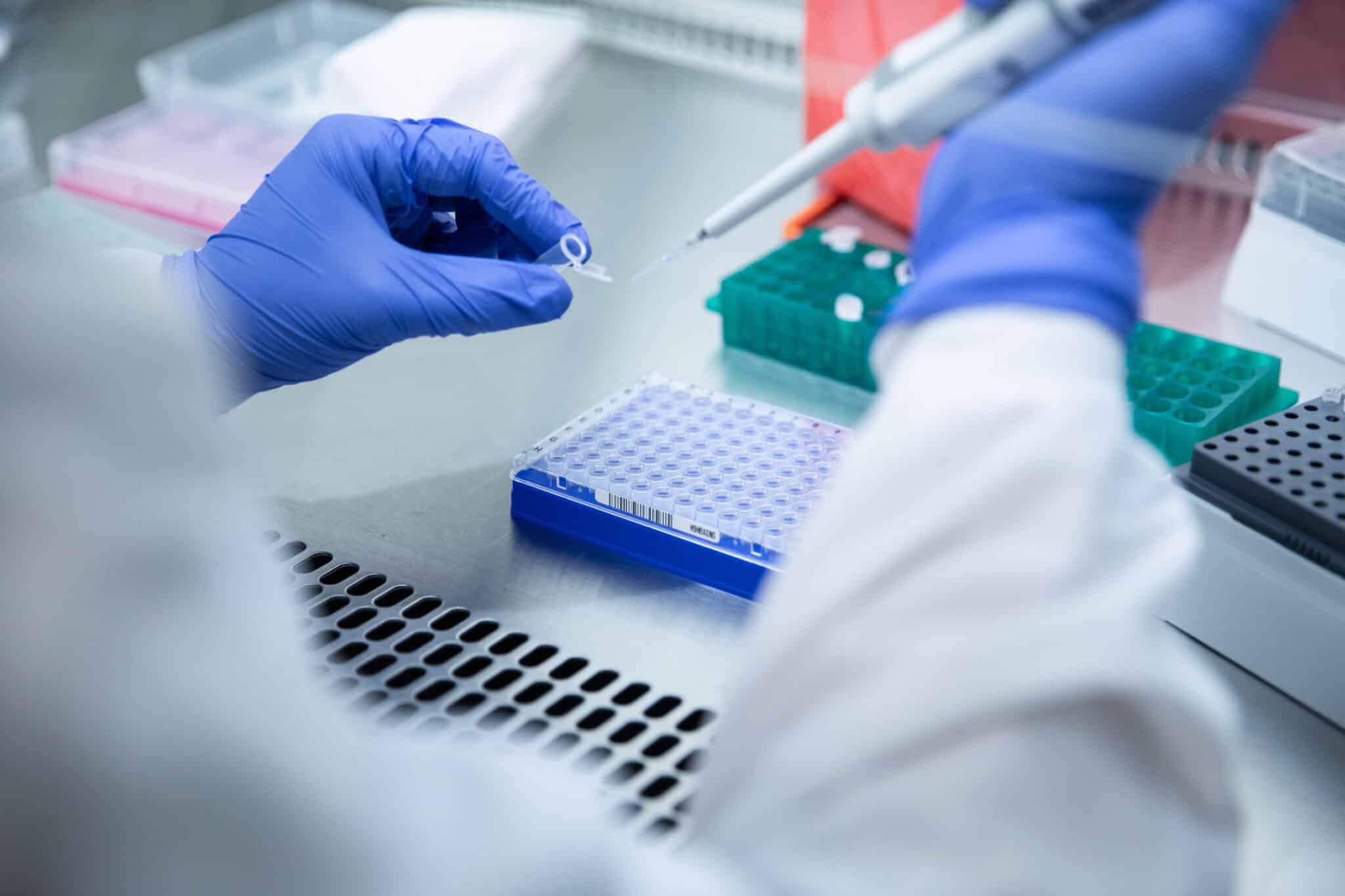
Controlling contamination is crucial in a wide variety of industries, ranging from pharmaceuticals to biotechnology and advanced manufacturing. In many environments, it is not enough to protect the product from outside contaminants. The facility must also protect workers and adjacent spaces from hazardous materials generated during the process.
This is where negative pressure cleanrooms play an essential role. By carefully controlling airflow and pressure differentials, these environments help contain harmful particles, vapors, or biological agents while maintaining strict cleanliness standards.
What Is a Negative Pressure Cleanroom?
A negative pressure cleanroom is designed so that the air pressure inside the room is lower than the surrounding environment. Because air naturally flows from areas of higher pressure to lower pressure, this design ensures that air moves into the cleanroom rather than out of it. This directional airflow prevents hazardous particles, powders, or airborne contaminants from escaping into adjacent spaces.
Negative pressure cleanrooms are commonly used in applications like:
- Hazardous drug compounding
- Pharmaceutical research and manufacturing
- Biotechnology laboratories
- Handling of toxic powders or chemicals
- Containment of biohazards
In these environments, containment is just as important as maintaining air cleanliness.
Maintaining ISO Cleanroom Standards
Unlike many containment environments, negative pressure cleanrooms are still required to meet ISO 14644 cleanroom classifications, which define acceptable airborne particle levels. For example:
- ISO 7 cleanrooms allow no more than 352,000 particles ≥0.5 microns per cubic meter of air.
- ISO 8 cleanrooms allow up to 3,520,000 particles ≥0.5 microns per cubic meter.
This means negative pressure cleanrooms must balance two critical objectives simultaneously:
- Maintaining inward airflow for containment
- Preserving the particle control required for ISO compliance
Achieving both requires careful design of airflow systems, filtration, and room layout.
Regulatory Considerations
Negative pressure cleanrooms are often required when handling materials that present health or environmental risks.
One of the most common examples is USP <800> compliance, which governs the safe handling of hazardous drugs in healthcare and pharmaceutical facilities. USP <800> requires containment strategies that prevent hazardous drug particles from escaping into surrounding areas.
Negative pressure environments are frequently used to support compliance with these standards while maintaining appropriate cleanliness levels for compounding operations.
Key Design Considerations
Designing an effective negative pressure cleanroom involves more than simply adjusting airflow.
Important factors include:
Airflow balancing
Supply and exhaust air must be carefully calibrated to maintain stable negative pressure without disrupting cleanroom airflow patterns.
Filtration systems
HEPA or ULPA filtration removes particles from the air supply and helps maintain ISO cleanliness standards.
Pressure monitoring
Continuous pressure monitoring ensures the room maintains the required pressure differential during operation.
Airlocks and anterooms
These buffer spaces help maintain pressure stability when doors open and personnel enter or exit the cleanroom.
Together, these elements create a controlled environment that safely contains hazardous materials.
Modular Negative Pressure Cleanrooms
Modular construction offers significant advantages when implementing negative pressure cleanrooms.
Compared with traditional construction, modular cleanrooms can:
- Install faster with minimal disruption
- Reduce construction costs and downtime
- Adapt more easily to changing process requirements
- Expand or reconfigure as facility needs evolve
This flexibility makes modular cleanrooms particularly useful for growing pharmaceutical, biotech, and manufacturing operations.
Negative Pressure Cleanrooms Offer Safety and Control
Negative pressure cleanrooms are critical for safely handling hazardous materials while maintaining controlled cleanroom conditions. By directing airflow inward and carefully managing filtration and pressure differentials, these environments help protect personnel, surrounding spaces, and the broader facility.
When designed properly, a negative pressure cleanroom supports both containment and ISO cleanliness standards, making it an essential solution for many modern industrial and pharmaceutical applications. Modular cleanroom systems can further enhance this capability by providing faster installation, flexible configurations, and long-term scalability.
Leave a Reply