
How Cleanroom Components Work Together To Control Contamination
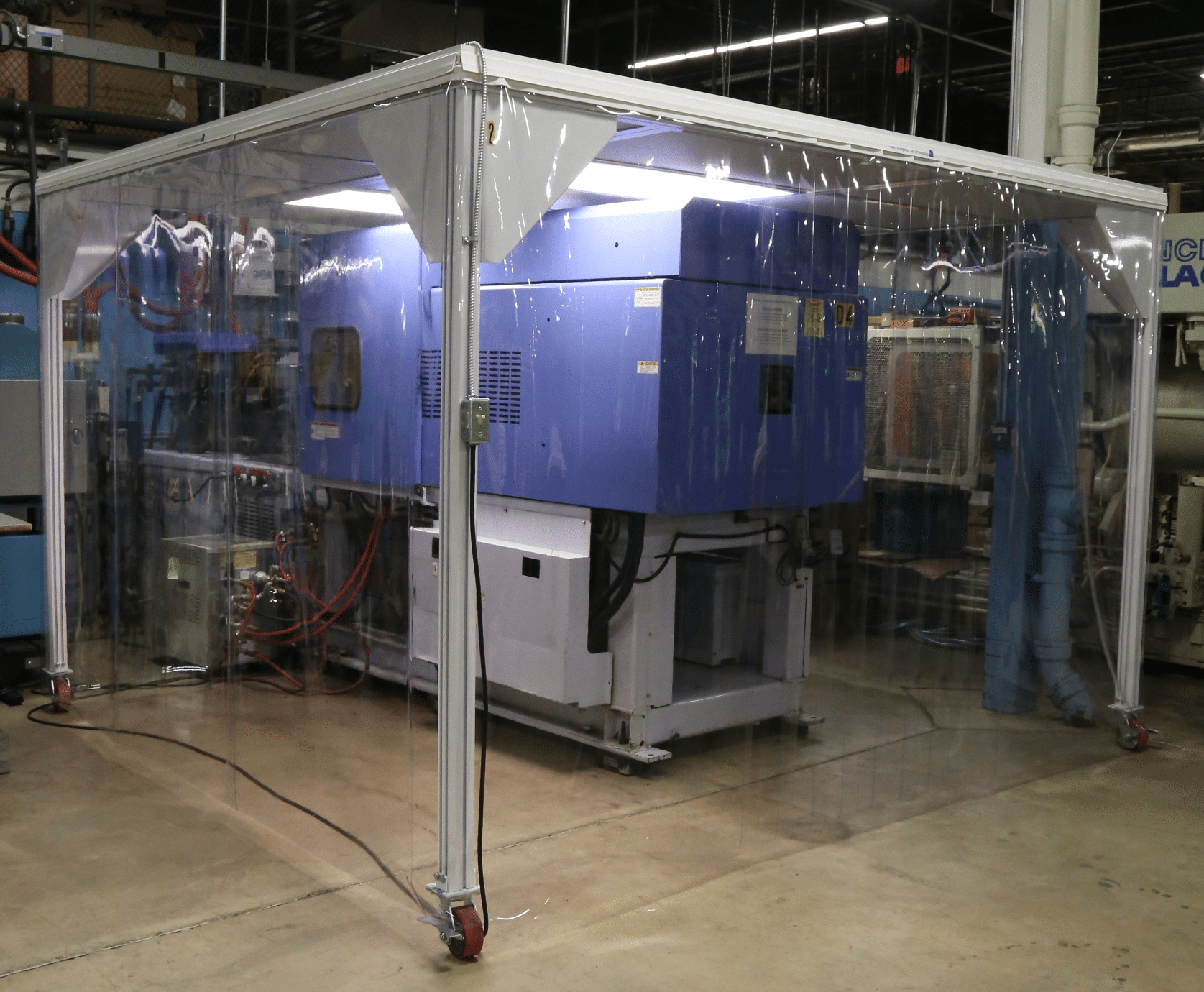
In order for a space to become an environment that is able to control contamination to specification – in other words, a cleanroom – you must quarantine that space and then filter the air within it. The cleanroom’s walls, floor, and ceiling contain the space and make it airtight, but there are additional cleanroom components that make it functional and productive. These are: fan filter units (FFUs), cleanroom lights, and ceiling grids. Let’s break down how these essential components work together efficiently to create environments where any level of cleanliness is possible.
Essential Cleanroom Components
The first component any cleanroom must have to operate is the fan filter unit (FFU). FFUs ensure a continuous flow of purified air, capturing and removing microscopic particles from the cleanroom. Positioned strategically within the ceiling grid, FFUs create a uniform airflow, preventing contaminants from settling and maintaining the specified cleanliness level.
Technical Air Products manufactures several different models of motorized HEPA and ULPA fan filter units designed to meet various needs, including energy efficiency, maximum airflow, or automated operation. All meet clean air requirements down to ISO 4.
Ceiling grids, the second necessary component, provide the structural framework for integrating FFUs, lights, and other components into the cleanroom. This modular layout allows for the strategic placement of FFUs and lights based on the cleanroom’s specific needs and is adaptable if the organization’s processes or needs change.
Technical Air Products offers both self-supported and hanging types of ceiling grids in our lightweight, proprietary design.
Finally, cleanroom lighting is necessary for the workspace to function properly. Designed to minimize particle generation, cleanroom lights fit seamlessly within the ceiling grid. They ensure proper illumination without introducing particles that could compromise the cleanroom environment.
We offer cost-effective LED flat panel lights as our standard cleanroom light. They are affordable, energy efficient, and long lasting. They are also wattage and color selectable. What more could you ask for?
How These Components Work Together
The above cleanroom components work in tandem to accomplish a number of goals, including:
- Airflow Control: FFUs, in the ceiling grid, maintain a consistent and controlled airflow pattern, crucial for preventing particle accumulation in critical areas.
- Contamination Control: FFUs filter the air coming into the cleanroom using HEPA, ULPA, or even PTFE filtration. Cleanroom lights, designed for minimal particle generation, complement FFUs in contributing to contamination control.
- Adaptable Configurations: Ceiling grids allow for flexible configurations, optimizing the layout for specific processes and ensuring an efficient environment.
- Energy Efficiency: The collaboration of FFUs, cleanroom lights, and ceiling grids contributes to energy efficiency, with LED lights consuming less energy and FFUs operating with minimal energy consumption.
The seamless integration of cleanroom components ensures the cleanliness and adaptability required for efficient cleanroom operations. If you are looking for a modular cleanroom to expand the capabilities of your organization, or you need to transform an existing room into a clean environment, Technical Air Products can provide you with all of the necessary components to meet your cleanroom needs.
Leave a Reply