
Ensuring Cleanroom Safety for Your Staff
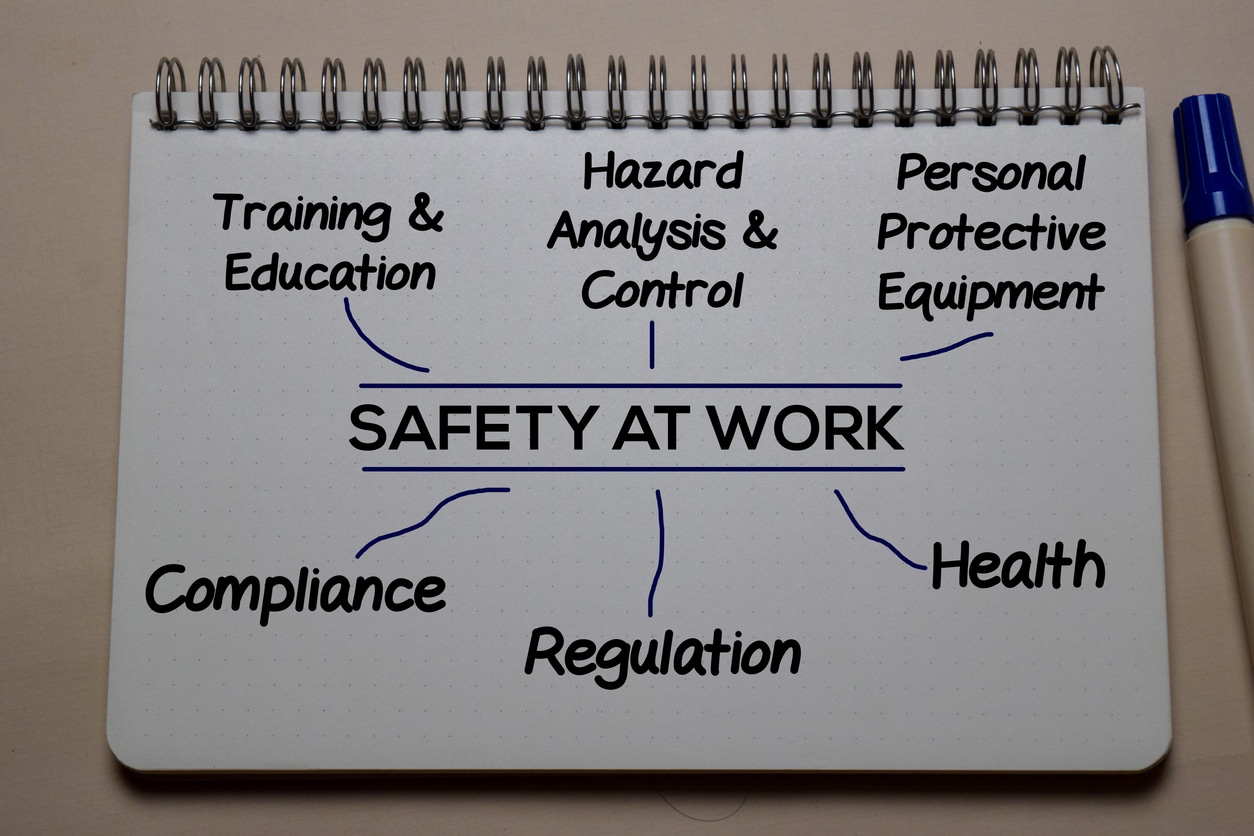
Cleanrooms are highly controlled environments that are used for many different research and commercial purposes. Cleanroom contamination occurs most often due to the presence and behavior of the personnel in the room. Following proper safety procedures can eliminate potential contamination as well as ensure a safe environment for the staff working in the cleanroom. In this blog we will discuss the steps that need to be taken to ensure cleanroom safety.
Training
Training is the most important action to take in creating a safe working environment. Employees cannot follow proper safety procedures if they do not know what they are. Training usually entails classroom instruction, as well as practice, before employees can begin to work in the cleanroom. Staff members learn how to move more slowly and deliberately to minimize contamination. They also need to be trained on cleaning and maintenance procedures. Many companies require their employees to pass an exam before they are cleared to work, because avoiding cleanroom contamination is so necessary to their production goals.
PPE
All employees should wear personal protective equipment (PPE) appropriate to the cleanroom environment. PPE requirements will vary depending on the level of cleanliness of the room. PPE may include items like gloves, shoe coverings, goggles, head coverings, and coveralls. Staff may have to don PPE in a certain order according to procedure.
Access Control
Access to cleanrooms must be restricted to trained personnel only. Staff should be trained on the proper procedures for entering and exiting the cleanroom to prevent contamination. They may have to dress in a gowning room, separating their personal clothing, shoes, and belongings from their protective gear before they put it on, and walk across a sticky or anti-static mat before entering the cleanroom. They must take care to avoid bringing in any forbidden items such as watches, jewelry or phones, or any items not specifically made for cleanroom use.
Maintenance
Cleanrooms must be regularly cleaned and inspected to prevent contamination. This includes regular air quality monitoring. Any equipment within the room should also be inspected and tested to ensure it meets safety standards.
Other Cleanroom Safety Considerations
Before employees operate any equipment within the room, they should have proper training in its use and safety. If hazardous materials or chemicals are kept within the cleanroom, employees must be trained on special handling requirements. They should be familiar with the material safety data sheet (MSDS) for any hazardous chemical, as well as the location of any safety equipment like fire extinguishers and eye wash stations.
A comprehensive emergency response plan should be in place in the event of an accident or emergency. Employees should be trained on the plan, and regular drills should be conducted to ensure that everyone is prepared to respond quickly and effectively. This kind of training can transform what might be an expensive or dangerous accident, into a minor incident, when everyone knows how to deal with the situation.
By implementing these measures and ensuring that employees are properly trained and equipped, the risks associated with working in cleanrooms can be significantly reduced, ensuring cleanroom safety, continued production, and the well-being of staff.
Leave a Reply